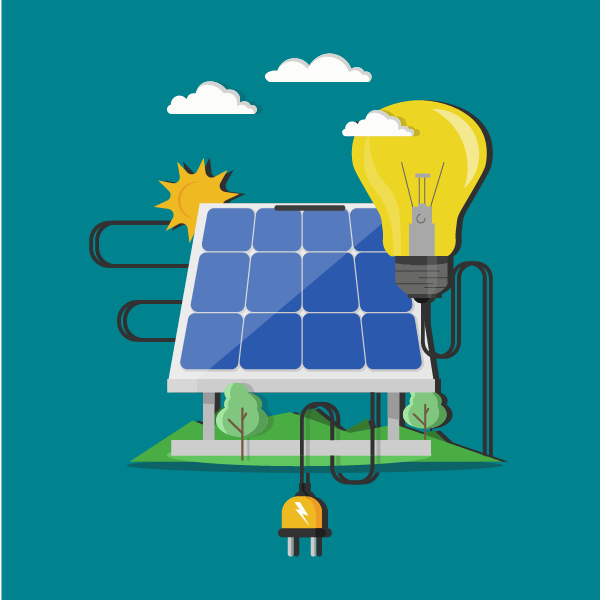
Solar power works by converting energy from the sun into power. There are two forms of energy generated from the sun for our use – electricity and heat.
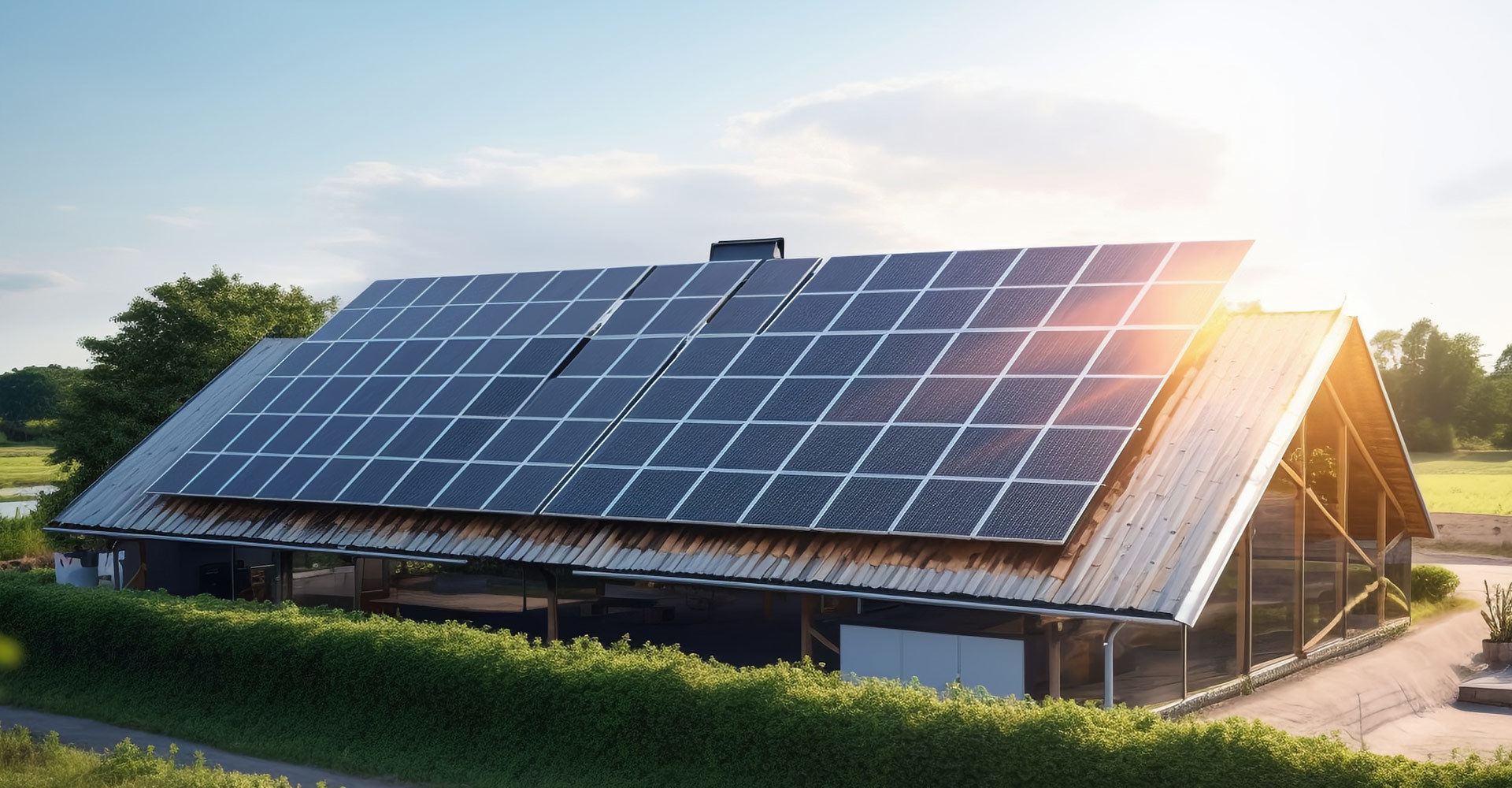
Both are generated through the use of solar panels, which range in size from residential rooftops to ‘solar farms’ stretching over acres of rural land.
Solar energy is the radiation from the Sun capable of producing heat, causing chemical reactions, or generating electricity. The total amount of solar energy received on Earth is vastly more than the world’s current and anticipated energy requirements. If suitably harnessed, solar energy has the potential to satisfy all future energy needs.
Solar energy is a renewable and infinite energy source that creates no harmful greenhouse gas emissions – as long as the sun continues to shine, energy will be released.
The carbon footprint of solar panels is already quite small, as they last for over 25 years. Plus, the materials used in the panels are increasingly recycled, so the carbon footprint will continue to shrink.
How exactly is electricity from solar energy produced?
Solar panels are usually made from silicon or another semiconductor material installed in a metal panel frame with a glass casing. When this material is exposed to photons of sunlight (very small packets of energy) it releases electrons and produces an electric charge.
This PV charge creates an electric current (specifically, direct current or DC), which is captured by the wiring in solar panels. An inverter converts This DC electricity to alternating current (AC). AC is the type of electrical current used when you plug appliances into normal wall sockets
Can solar power be generated on a cloudy day?
Solar power only requires some level of daylight in order to harness the sun’s energy. That said, the rate at which solar panels generate electricity does vary depending on the amount of direct sunlight and the quality, size, number and location of panels in use.
What are solar plants?
Solar farms, also known as solar parks or solar fields, are large areas of land containing interconnected solar panels positioned together over many acres, to harvest large amounts of solar energy at the same time. Solar farms are designed for large-scale solar energy generation that feed directly into the grid, as opposed to individual solar panels that usually power a single home or building.
Diverse applications:
Solar energy can be used to produce electricity in areas without access to the energy grid, to distil water in regions with limited clean water supplies and to power satellites in space.
It is renewable:
Among all the benefits of solar panels, the most important thing is that solar energy is a truly renewable energy source. It can be harnessed in all areas of the world and is available every day. We cannot run out of solar energy, unlike some of the other sources of energy.
Benefits of using Solar energy
Reduces electricity bills:
Since you will be meeting some of your energy needs with the electricity your solar system has generated, your energy bills will drop.
Low maintenance costs:
Because it is a very light element, compressed hydrogen tanks allow easier handling than lithium batteries because they are lighter, which facilitates transport as a result.